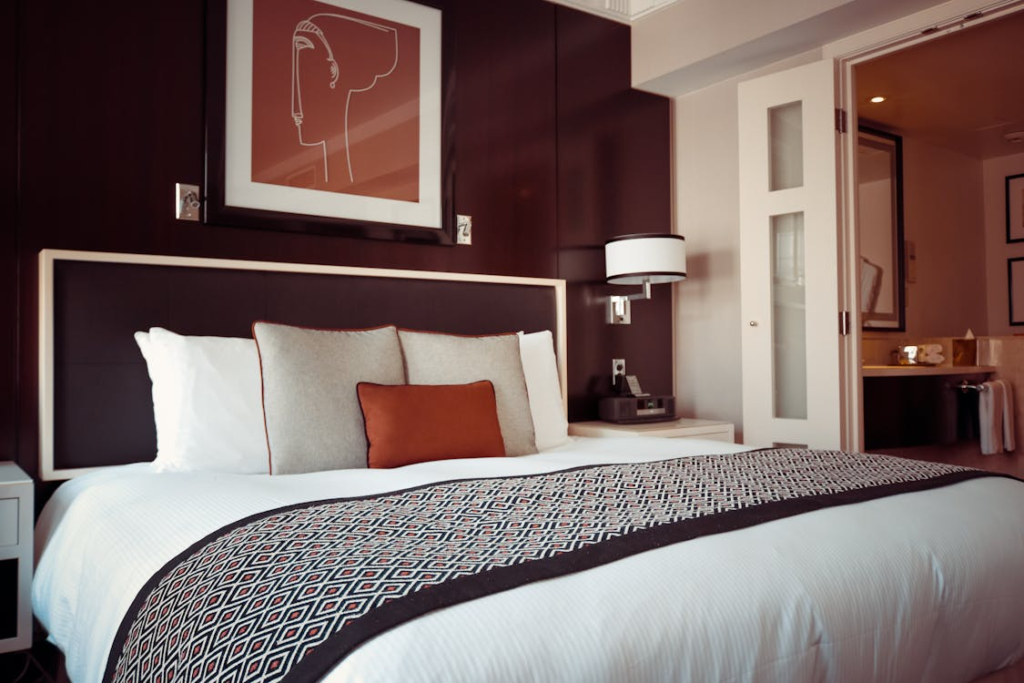
Your bedroom should be more than just a place to sleep. It’s the one room in your home where you have full permission to unwind, relax, and recharge. Whether you live in a bustling city apartment or a quiet suburban home, turning your bedroom into a retreat, a space that welcomes you at day’s end and restores you for the next morning, is entirely possible with a few thoughtful updates. You don’t need a full remodel to experience a calming ambiance and style; rather, you can focus on smart choices that bring comfort, function, and personality together. As you walk into your bedroom each night, you should feel that you’re stepping into a calm, intentional space designed just for you. That feeling begins with the foundation of how you sleep and how you build the rest of the room around it.
1. Upgrade Your Bedding for Comfort and Support
The bed is the center of your bedroom, and the quality of your sleep depends on having the right foundation. Before you start decorating or adding layers of style, it’s worth taking a moment to consider what you’re actually sleeping on. A supportive, well-crafted mattress does more than improve comfort; it shapes the feel of the entire room and sets the tone for rest. When your body is properly supported, you relax more easily, fall asleep faster, and wake up feeling refreshed, which naturally makes your bedroom feel more like a personal retreat.
If your current bed feels too small or you want more room to sleep comfortably, choosing king mattresses is a great way to create a more restful setup. Many high-quality options are designed with thoughtful craftsmanship, offering choices in firmness, materials, and overall feel so you can find one that fits your sleep style. Once your mattress feels right, you can add soft sheets, a cozy comforter, and a few textured pillows to create a bed that looks inviting and feels even better to relax in.
2. Choose a Calming Color Palette
Color sets the tone for the entire space, and your subconscious reacts to it. A retreat-worthy bedroom benefits from a soothing palette: soft neutrals like warm grays or beiges, muted blues, gentle greens, or even subtle blush tones. These shades allow you to feel relaxed rather than overstimulated. To create a cohesive look, choose one dominant wall color and two supporting hues, for example, one accent wall in a soft green, matched with cream trim and charcoal bed linens. Make sure your furniture, curtains, and décor accessories carry those hues in different shades and textures so everything feels connected. Keep extreme contrasts or bright, saturated colors for accent pieces only if you really want them; otherwise, let the walls breathe and invite calm.
3. Incorporate Layered Textures for Depth and Warmth
A stylish retreat doesn’t rely on pattern overload; it relies on texture and richness that you can feel. Think of layered rugs, soft throw blankets, linen curtains, and a few accent pillows with visible weave. When your space is visually textured, even if it’s minimal in decor, it feels inviting and warm. For example, place a soft rug beneath the bed that extends at least a few inches on either side so your feet land on it when you wake up. Add a woven basket next to a chair or beside the bed to house a spare blanket or books. You can throw a chunky knit throw at the foot of the bed to give instant cozy impact. Picking natural materials, cotton, wool, jute, and linen, creates a sense of craftsmanship and depth. These layers don’t require a big budget; a few smart pieces go a long way.
4. Declutter and Embrace Functional Storage
Style and comfort thrive in a space that feels organized and intentional. Clutter makes it harder to relax, so start by clearing out anything that doesn’t belong: papers, chargers, stray clothes, and give everything a proper place. Add functional storage like bedside tables with drawers, under-bed bins, floating shelves, or wall hooks to keep essentials tidy. Keeping surfaces clear, especially the bed and nightstands, helps your mind unwind. A simple rule helps: if you haven’t used something in six months, move it elsewhere. Choose storage pieces that match your décor so they blend in rather than stand out. The goal is to walk into your bedroom and feel calm, not overwhelmed.
5. Personalize with Art and Accessories
A retreat is not just comfortable, it’s personal. Your bedroom should reflect you. Choose one or two pieces of art that you love, perhaps a large print above the bed or a gallery wall of smaller pieces. Keep accessories minimal but meaningful: a favorite vase, a small stack of your preferred books on the bedside table, a framed travel photo. This ensures the space looks curated, not cluttered. Choose accessories that support your color palette and texture choices. If you’ve gone with soft neutrals and natural textures, a metal-framed mirror, a wood sculpture, or a ceramic lamp in a complementary tone will integrate easily. Resist the urge to fill every surface; instead, leave breathing space so each item feels intentional.
6. Enhance Ambiance with Thoughtful Lighting
Lighting has a major impact on how your bedroom feels throughout the day. Let in as much natural light as you can, then use layered fixtures to set the mood at night. A mix of overhead lighting, bedside lamps, and a simple accent light works well. Choose warm bulbs so the room feels inviting, and add a dimmer if possible to shift from bright to soft with ease. LED strips behind a headboard or under shelves can add a gentle glow. The goal is flexible lighting, bright when you need it, calm when you’re winding down.
Your bedroom has the potential to become a true sanctuary, a place that both pampers and restores you, styled in a way that fits your life and taste. By starting with the right foundation (such as your mattress and bedding), choosing a calming palette, layering textures, streamlining storage, personalizing décor, optimizing lighting, and bringing nature in, you’ll create a space that feels both stylish and soothing. Remember: you don’t have to do it all at once. Pick one or two of these ideas to begin with, and then build gradually. In doing so, you’ll walk into your room each evening with a sense of peace and invitation and sleep more deeply knowing your space is working with you, not against you.