Introduction
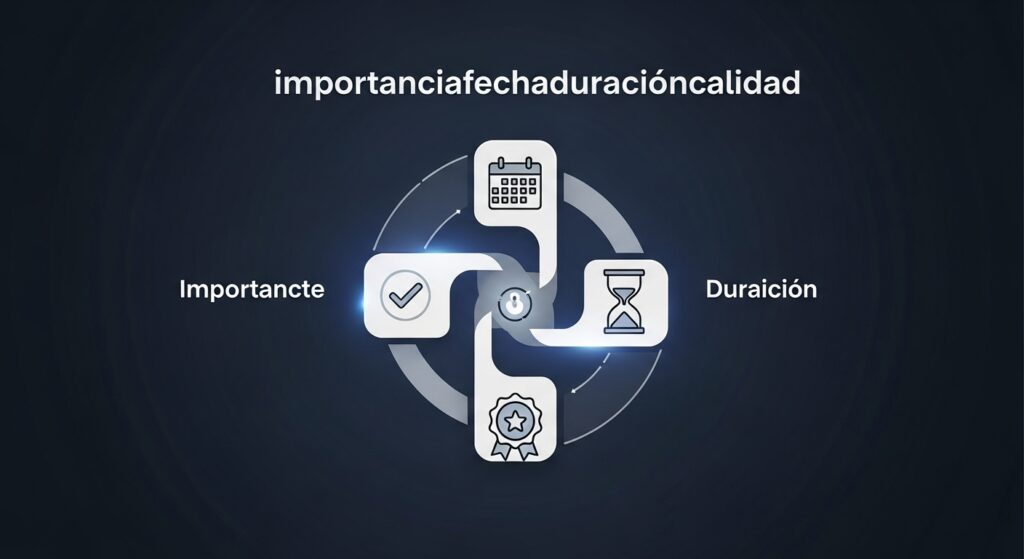
Understanding the concept of importanciafechaduracióncalidad is essential for anyone seeking to make informed decisions in a world defined by data, deadlines, and performance expectations. While the term appears unconventional, it captures a powerful combination of ideas: the importance of an initiative, the date or timing of its execution, the duration required to achieve results, and the quality that determines long-term value. When these four dimensions intersect, they form a strategic framework that guides industries, businesses, and individuals toward more effective planning. Early in any project, evaluating the importanciafechaduracióncalidad helps clarify both immediate priorities and long-term goals. Organizations that embrace this approach tend to optimize processes, prevent costly delays, and elevate outcomes.
This framework matters because modern markets move at an unprecedented pace. Decisions must be made quickly, yet thoughtfully. Businesses cannot afford misalignment between deadlines and resources, nor can they compromise on quality in pursuit of speed. The importanciafechaduracióncalidad mindset encourages balance. It forces leaders to assess not just what needs to be done, but also when, how long it will take, and what standards must be met. When combined, these considerations create efficiency and cohesion across teams. For consumers, the same logic applies: evaluating the timing, durability, and craftsmanship of what we purchase allows for smarter, more sustainable choices.
Additionally, this concept holds weight in personal development. Individuals who evaluate their own tasks through the lens of importanciafechaduracióncalidad often find more clarity and control over their schedules. They become better at predicting obstacles, allocating energy, and committing to long-term improvement. Whether applied to lifestyle planning, financial investment, or project management, the principles embedded in this keyword promote a mindset of intentionality. As we dive deeper, each section will explore how this combined approach enhances strategy, efficiency, and outcomes across various fields, demonstrating why importanciafechaduracióncalidad is more than a phrase—it’s a valuable method for navigating complexity.
The Strategic Importance Behind Importanciafechaduracióncalidad
Understanding the strategic significance embedded in importanciafechaduracióncalidad helps businesses define their objectives with clarity. The “importance” aspect encourages leaders to determine what truly matters before allocating resources. In many organizations, teams rush into tasks without aligning priorities, causing miscommunication and wasted effort. By assessing importance first, companies create a roadmap that directs attention to high-impact actions. This prioritization also enhances collaboration. When every team member knows why a task matters, execution becomes smoother and more purposeful. Over time, this approach builds a culture rooted in strategic thinking rather than reactive decision-making, which is crucial in competitive industries.
The second dimension—timing—reminds decision-makers that even the best ideas fail when executed too early or too late. Incorporating timing into importanciafechaduracióncalidad ensures initiatives launch during optimal windows. Consider product releases: launching a winter item in spring disrupts sales potential, while entering the market at the right moment can lead to exponential growth. Timing also influences marketing campaigns, supply chain coordination, and workforce planning. By aligning timing with importance, organizations maximize both efficiency and impact. They become better equipped to navigate industry cycles, seasonal patterns, and consumer behavior shifts, resulting in more reliable performance outcomes.
Read More: 82.51×63
Why Timing Within Importanciafechaduracióncalidad Shapes Results
Within the framework of importanciafechaduracióncalidad, timing is often the invisible force that shapes long-term results. Good timing reduces risk, increases predictability, and enhances decision-making accuracy. For example, financial markets reward those who invest at the right moment, not simply those who invest in the right asset. In supply chain management, timing dictates cost efficiency: materials purchased too early tie up capital, while purchases made too late disrupt production. When companies analyze timing with intention, they improve agility and strengthen their competitive edge. They anticipate challenges rather than react to them, allowing operations to run more smoothly.
Timing also affects human behavior. Consumers respond differently depending on when a product, message, or service is delivered. A well-timed campaign can spark excitement; a poorly timed one can be ignored entirely. Businesses that incorporate timing into their importanciafechaduracióncalidad evaluations learn to synchronize their actions with audience expectations. They launch innovations when demand peaks, communicate during moments of heightened relevance, and position themselves where attention is strongest. Whether in marketing, operations, or leadership, timing transforms strategic planning from theoretical to actionable, ensuring efforts resonate and achieve measurable outcomes.
Duration as a Core Element of Importanciafechaduracióncalidad
Duration, another crucial pillar of importanciafechaduracióncalidad, focuses on the time required to complete a task or reach a goal. Organizations often underestimate or overestimate this factor, leading to stress, budget overruns, and logistical challenges. When leaders properly evaluate duration, they allocate resources more effectively and reduce burnout. For instance, software development teams perform better when timelines reflect the actual complexity of tasks. Proper estimation allows teams to maintain productivity without sacrificing creativity or well-being. Through realistic planning, the duration element ultimately improves delivery consistency and maintains organizational health.
Duration also affects long-term strategy. Consider infrastructure projects or educational programs—both demand years of commitment. When institutions evaluate duration carefully, they prepare for unforeseen delays, economic fluctuations, and shifting needs. This foresight builds resilience. In personal development, duration influences habits and routines. People often lose motivation because they misjudge how long results will take. But by applying the principles of importanciafechaduracióncalidad, individuals set expectations that align with reality, enabling sustainable progress. Duration is not just about how long something takes; it is about creating timelines that inspire accountability and perseverance.
Quality and Its Integral Role Within Importanciafechaduracióncalidad
Quality stands at the heart of importanciafechaduracióncalidad because outcomes are only as strong as the standards behind them. In business, high-quality products foster customer loyalty, reduce returns, and strengthen brand reputation. Quality control protects organizations from costly mistakes and ensures compliance with industry regulations. Whether producing consumer goods, digital services, or professional reports, consistent quality demonstrates reliability. It also reflects a company’s values. Customers gravitate toward brands that consistently deliver excellence, and this trust converts into long-term revenue and market stability.
Quality also affects efficiency. While cutting corners may seem faster, it often results in rework, delays, and higher long-term costs. Teams that prioritize quality avoid these pitfalls by building durable systems, accurate documentation, and polished outcomes. In personal life, quality influences decision-making in everything from relationships to purchases. Whether choosing a home appliance, workout plan, or educational course, quality determines satisfaction and longevity. Integrating quality into importanciafechaduracióncalidad encourages individuals to think beyond immediate convenience and toward enduring value. Ultimately, quality shapes not just outcomes but also experiences, making it one of the most powerful forces in long-term success.
Applying Importanciafechaduracióncalidad in Modern Business Strategy
Modern organizations increasingly recognize that success requires harmonizing importance, timing, duration, and quality. This holistic approach allows executives to design strategies that are flexible yet grounded. Using importanciafechaduracióncalidad, companies develop clearer roadmaps and avoid scattered, inefficient efforts. For example, during product development, teams must identify which features are essential, determine the optimal release date, estimate production timelines, and maintain uncompromising quality standards. Aligning these factors results in products that not only perform well but also reach customers at the perfect moment. This alignment drives measurable growth, innovation, and competitive differentiation.
In operations, the framework fosters coordination across departments. HR teams plan training during low-demand seasons, logistics managers optimize transportation schedules, and marketing departments tailor campaigns around consumer behavior cycles. Even customer service benefits: by understanding the importanciafechaduracióncalidad of inquiries, support teams triage cases more effectively, improving satisfaction. This method supports strategic agility—an increasingly essential trait in markets shaped by technological change and global unpredictability. Organizations that embrace this structure are better equipped to pivot quickly without sacrificing consistency or excellence.
The Consumer Perspective on Importanciafechaduracióncalidad
Consumers also benefit significantly when applying the principles of importanciafechaduracióncalidad to everyday decisions. For purchases, evaluating the importance of an item ensures thoughtful spending rather than impulsive shopping. Understanding timing helps buyers wait for sales, model updates, or seasonal discounts. Duration reflects how long an item will last, while quality determines satisfaction and value. When consumers assess products using this framework, they reduce waste and make sustainable choices. This mindset is particularly useful in large purchases such as vehicles, technology, or home furnishings, where long-term performance matters.
Additionally, the framework strengthens financial planning. Evaluating the timing of investments or savings goals creates clearer paths toward stability. Duration teaches patience, emphasizing that meaningful progress often takes time. Quality applies to everything from service providers to educational programs—choosing high-caliber resources leads to better results. Through importanciafechaduracióncalidad, consumers become more informed, responsible, and confident in their choices. They learn to balance immediate desires with future benefits, creating habits that support long-term well-being and financial security.
Conclusion
The multidimensional concept of importanciafechaduracióncalidad offers a valuable lens through which to view both professional and personal decisions. By considering importance, timing, duration, and quality together, individuals and organizations create stronger strategies and more meaningful results. This approach encourages a balanced perspective that reduces risk, enhances efficiency, and fosters long-term success. Whether planning a corporate initiative, launching a project, or making personal choices, applying this framework leads to deeper awareness and better outcomes. As the world grows more complex, adopting a structure that harmonizes these four elements becomes not just helpful but essential. Embracing importanciafechaduracióncalidad is ultimately an investment in clarity, effectiveness, and enduring value.