Introduction
Loguytren problems, often discussed in medical and wellness circles, refer to a progressive condition that affects the connective tissue of the hand, gradually impairing its function. Many people encounter early signs of this issue without realizing what is happening. They may notice a tightening sensation in the palm or slight difficulty stretching their fingers fully. Because Loguytren problems are slow to develop, individuals sometimes ignore symptoms until the condition becomes more advanced. Understanding the underlying causes, risk factors, and available treatments can help people take proactive steps and seek care before severe limitations occur.
While Loguytren problems are most commonly linked to tissue thickening in the hand, the experience varies from person to person. Some develop only mild stiffness, while others face significant contracture that interferes with daily activities like gripping objects, typing, or even shaking hands. This condition can feel confusing and frustrating, especially when its progression seems unpredictable. Fortunately, modern research has uncovered effective management strategies—from nonsurgical therapies to minimally invasive procedures. Learning about these approaches provides reassurance and confidence for those navigating the diagnosis.
What Causes Loguytren Problems?
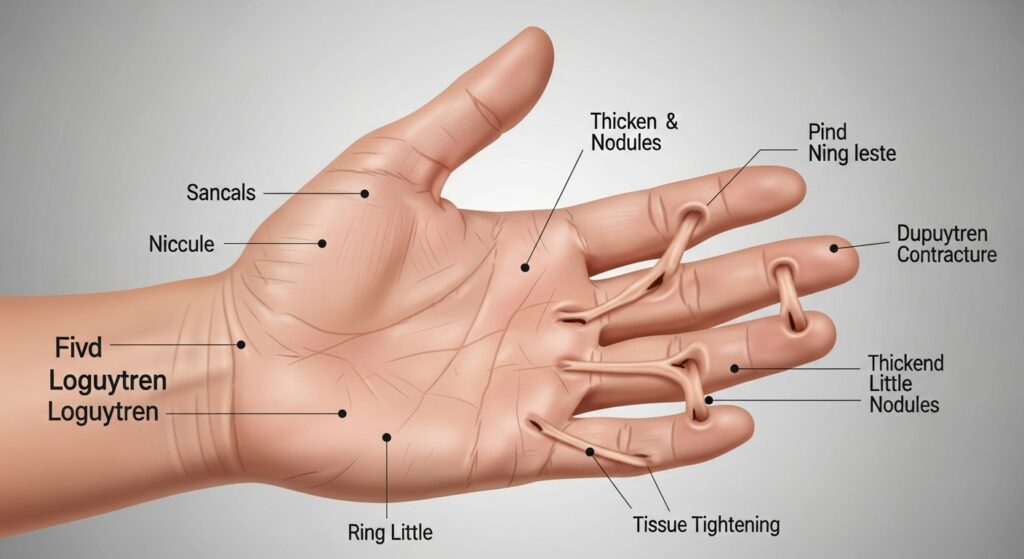
The development of Loguytren problems stems from changes in the fascia—a layer of connective tissue beneath the skin that helps support hand movements. Over time, this tissue may thicken or form rope-like cords, gradually pulling the fingers inward. Genetic predisposition plays a significant role. Individuals with a family history of similar hand conditions face a notably higher risk. Biological factors such as collagen abnormalities or inflammatory responses also contribute to the formation of these tissue changes, explaining why Loguytren problems tend to progress steadily once they begin.
Environmental and lifestyle factors may further influence the condition’s onset. Some studies suggest a correlation between Loguytren problems and habits such as smoking or excessive alcohol consumption. Chronic medical conditions like diabetes can also elevate risk by altering the body’s connective tissue response. Although these associations do not directly cause the disorder, they can accelerate its development or intensify symptoms. Understanding these influences empowers individuals to make lifestyle adjustments that support overall hand health.
Read More: Ang3lblu33
Recognizing the Early Signs of Loguytren Problems
Early symptoms of Loguytren problems can be subtle, making early detection important. People often first notice a small lump or nodule forming in the palm. While it is typically painless, it may feel firm or tender when pressed. Over weeks or months, this nodule can thicken into a cord, gradually creating tension that affects finger movement. These early indicators are valuable because they signal the condition before contracture becomes severe. Monitoring even mild changes can help individuals seek evaluation and prevent unnecessary loss of mobility.
As Loguytren problems progress, reduced flexibility becomes more noticeable. People may struggle to flatten their hands on a table or fully extend the affected fingers. Everyday tasks—buttoning clothes, using tools, or gripping sports equipment—can become more challenging. If ignored, the condition can lead to fixed contractures that restrict normal function. Recognizing early signs encourages timely intervention and increases the likelihood of successful treatment outcomes.
How Loguytren Problems Affect Daily Function
The functional impact of Loguytren problems can be significant because the hands play such a central role in daily life. Simple movements like opening jars, holding utensils, or typing on a keyboard become more difficult as the fingers lose their range of motion. People may adjust their grip or rely on the non-affected hand, which can create strain or discomfort over time. Even social interactions—like shaking hands—may cause awkwardness or self-consciousness due to visible contracture or discomfort.
Beyond physical limitations, Loguytren problems can also influence emotional well-being. Many individuals report frustration, stress, or anxiety as they notice their hand function slowly declining. Activities that were once effortless may require extra thought or adaptive strategies. Acknowledging these emotional effects is important because they motivate individuals to seek support, explore treatment options, and maintain a positive mindset throughout the recovery journey.
Medical Treatment Options for Loguytren Problems
Modern treatment options for Loguytren problems offer promising results for patients at different stages of the condition. Nonsurgical approaches such as enzyme injections are often recommended in early or moderate cases. These injections help break down the thickened tissue, allowing the fingers to straighten more easily. Other therapies, including steroid injections or hand-stretching regimens, may reduce inflammation and slow the progression of tissue thickening. These methods appeal to individuals seeking less invasive interventions with minimal downtime.
For more advanced cases, surgical solutions can be highly effective. A common procedure involves removing the thickened tissue to restore hand mobility. Although recovery may take longer than with nonsurgical options, surgery often provides lasting benefits and improved function. Physicians determine the best approach based on severity, overall health, and personal lifestyle factors. Exploring these treatment paths helps patients feel empowered and informed when making medical decisions.
Home Management Strategies for Loguytren Problems
Lifestyle adjustments and home-based practices can support long-term management of Loguytren problems. Gentle stretching exercises designed to maintain flexibility may help slow progression and improve comfort. Warm compresses, massage, and ergonomic adjustments to daily routines can also ease tension in the hand. While these strategies do not replace medical treatment, they serve as supportive tools that enhance overall hand mobility and reduce discomfort.
Maintaining a healthy lifestyle also contributes to better outcomes. Reducing smoking or alcohol intake, managing blood sugar levels, and prioritizing hand-friendly activities can all play a role in symptom control. People often find it helpful to adopt assistive devices—such as grip aids or padded tools—to minimize strain. Together, these proactive habits empower individuals to maintain independence and promote long-term hand health.
Preventing the Progression of Loguytren Problems
Although not all cases of Loguytren problems can be prevented, certain actions may reduce the risk of progression. Early monitoring is key. Individuals who notice subtle symptoms should seek expert evaluation rather than waiting for contractures to develop. Engaging in regular hand-strengthening and stretching routines can help maintain mobility, while lifestyle improvements support overall connective tissue health. These practices can create a meaningful difference in comfort and function.
Regular follow-ups with a healthcare professional also contribute to preventive care. These appointments allow physicians to assess changes, recommend updated therapies, and intervene before limitations worsen. Preventive strategies may seem simple, but they are essential tools in managing a condition that advances gradually over time. By embracing a proactive mindset, individuals with Loguytren problems can protect their hand health and quality of life.
Conclusion
Loguytren problems can feel overwhelming, but understanding their causes, symptoms, and treatment options makes the condition far more manageable. Early recognition allows individuals to take action before contractures become severe, and today’s medical solutions offer multiple pathways to improved hand function. Whether through nonsurgical therapies, surgical procedures, or supportive home practices, people have access to tools that can restore mobility and reduce discomfort. Staying informed, proactive, and engaged with ongoing care provides the best chance for long-term success.
If you or someone you know is experiencing symptoms that resemble Loguytren problems, now is the time to explore your options. Consult a healthcare professional, learn about available treatments, and take small daily steps toward maintaining hand strength. With the right approach, it is entirely possible to regain confidence, protect your independence, and improve overall quality of life.