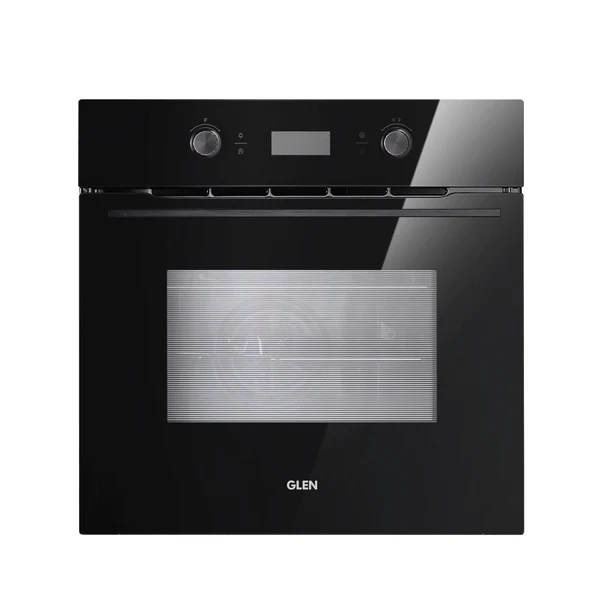
A modern kitchen runs on tools that bring order, speed, and comfort to daily cooking. One of the most helpful additions is a built in oven. It blends design with function in a way that supports clean layouts and focused workflow. The unit fits inside a cabinet slot, saving space and keeping the heat source stable. The wiring and insulation stay sealed, which helps the oven maintain steady heat with less loss. These technical traits shape how users cook, bake, and manage their kitchen space.
A built in oven for kitchen workflows changes how people plan their counters, storage, and movement. It stays fixed at an easy height, so users do not bend or shift heavy trays from the floor level. The surface around it stays clear for prep work. This small shift makes cooking safer and faster. When heat controls stay at eye level, the user reads the settings with ease. This layout helps reduce mistakes and supports uniform results.
Clean Look and Better Use of Space
A built in oven fits into a cabinet frame. This gives the kitchen a smooth and clean look. With no gaps or bulky edges, the space feels open and neat. Many users prefer this setup because it keeps the floor and sides clear. A built in oven for kitchen designs helps people make full use of the room they have. It suits small and large homes.
When space is tight, the placement of tools matters. A standalone oven may take up precious floor area. A built in unit gives that area back to the cook for storage or prep. The space above and below can be used for drawers, racks, and other tools. This helps the whole kitchen feel organized.
Easy Access and Safer Handling
One key benefit is ease of access. A built in oven sits at a safe height. Users do not crouch or twist their body to reach the tray. This reduces strain on the back and knees. Older users find this approach more comfortable. Families with kids may feel safer with the oven set higher, away from small hands.
The door and tray slide out in a smooth line. This gives clear visibility of the food during cooking. When users check items like bread, cake, or roast meat, the stable height helps them spot changes in color or texture. This leads to better results with less trial and error.
Accurate Heating and Stable Results
A built in oven often offers better heat control than a basic standalone oven. This is because the unit seals into the cabinet, which helps it maintain steady temperature. The temperature sensors in many models check the heat in quick cycles. This helps avoid sudden spikes.
Home cooks who bake often benefit from this stability. Baking needs exact heat. When the heat stays steady, bread, cookies, and cakes rise in uniform form. A built in oven for kitchen baking setups lets users plan multiple batches with predictable outcomes.
Modern units also support even heat spread. Hot air moves in a controlled way inside the chamber. This reduces cold spots and burnt edges.
More Cooking Features in One Unit
Many built in oven models include more than one cooking mode. Some units offer grill, roast, slow cook, and even steam. This helps users cook a wide range of dishes without extra tools. The oven can replace large countertop devices, saving more space.
Preset modes help users cook dishes with less guesswork. The oven sets the time and heat based on the dish type. With this help, users can focus on prep while the oven handles the technical part.
Some units feature timers, child locks, cool-touch doors, and auto-off functions. These improve safety and reduce stress. They also allow users to leave items inside without worry of overcooking.
Better Energy Use
A built in oven uses energy in a focused way. The sealed fit and steady insulation keep heat inside the chamber. This means the oven needs less power to stay at the set temperature. When heat does not escape, the oven cooks faster with less effort.
Users who cook daily may see a small reduction in energy use over time. While the difference is not extreme, the steady pattern of use adds up.
Helps Build a Modern Kitchen Layout
Many people plan their kitchen around clean lines and smooth surfaces. A built in oven supports this style. It sits flush against cabinets, blending with the rest of the room. The look suits both simple and premium kitchens.
When the oven fits inside the wall or cabinet, users can place the cooktop elsewhere. This freedom lets people create a layout that suits their routine. For example, the oven can sit near the pantry for baking tasks. The cooktop can sit near the sink for boiling or frying tasks. This flexible layout improves the flow of the kitchen.
Supports Heavy Use Over Time
Built in ovens often come with strong internal parts. The frame stays rigid inside the cabinet. This reduces stress on the joints. The door stays aligned, and the tray slides remain smooth. When the oven does not move during use, the parts wear out slower.
This makes the built in oven a long-term solution for homes that cook often. It supports routine baking, heavy roasting, and long cooking cycles.
A Good Investment for Homes
Installing a built in oven in the kitchen adds value to the home. Many buyers see it as a sign of a well-planned space. It shows that the kitchen has been designed for ease and comfort. This can help set the home apart from similar options.
The oven also remains useful for years. It supports different types of cooking, from quick dishes to long weekend meals. This makes it a reliable part of the kitchen setup.
Conclusion
A built in oven brings order, comfort, and power to a home kitchen. It saves space, improves cooking speed, supports steady heat, and enhances safety. It also fits into many kitchen layouts, helping users plan their room with more freedom.
For people exploring strong and reliable options, Glen Appliances offers built in oven models designed for steady heat, clean looks, and long-term comfort. Their units blend practical features with ease of use, making them a smart choice for any home kitchen.