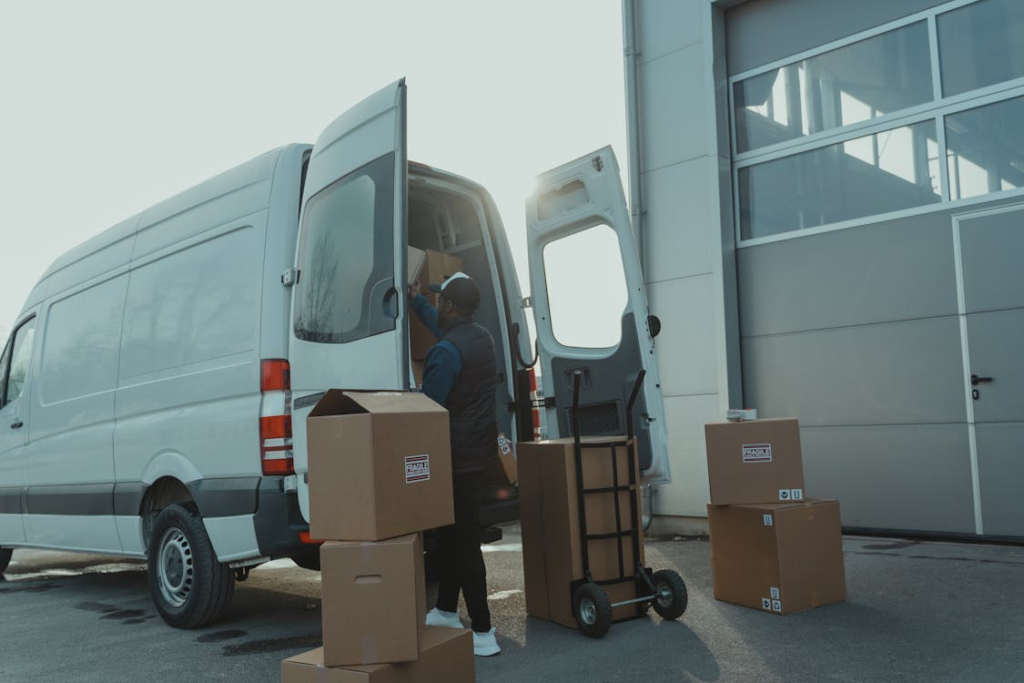
Ever tried taking a Zoom call with your desk half dismantled and someone wheeling your chair out from under you? Office moves sound simple—just pack, ship, unpack—but keeping a business running while doing it is more like changing a tire on a moving car. In this blog, we will share real, workable ways to keep things smooth when everything around you is shifting.
Don’t Pause Operations—Shift Them
In a world shaped by hybrid work and remote flexibility, office space has taken on new meaning. Your team might not all be in the same place at the same time anymore, but that doesn’t make a move any easier. The tricky part isn’t just the logistics of getting boxes from Point A to Point B. It’s making sure that your clients, staff, and partners don’t feel like they’re trapped in your moving truck with you.
The solution starts with taking advantage of flexibility that’s already available. That means activating remote work policies, even temporarily, if you’re not already using them. Schedule the physical move in waves or over a weekend so your teams can remain productive during business hours. Cloud-based software for storage, communication, and collaboration can keep your teams connected and functional even when your furniture isn’t. Think Google Workspace, Slack, Zoom, and whatever project management tools you already lean on. They don’t care what zip code you’re in.
As for the physical stuff, work with a trusted local moving company that understands the timing and pace required for commercial relocations. The better ones will offer phased moving plans, after-hours scheduling, and coordination with building management. When they’ve done it a hundred times before, your job becomes keeping people focused instead of keeping furniture upright. And when your IT infrastructure is treated with the same level of attention as your desks, your team can log in from day one at the new spot without skipping a beat.
Without that level of planning and partnership, what should be a two-day disruption turns into a two-week headache. They’ll understand that some buildings need advance elevator reservations or have limited loading dock space, so your move doesn’t get delayed by paperwork or miscommunication.
Use the Move to Strengthen Internal Systems
Most office moves expose things you forgot were broken. That closet full of obsolete hardware? Those cables stuffed behind the server? The box of client files you thought someone shredded in 2019? A move is disruptive, yes, but it also gives you a rare chance to rebuild smarter.
Inventory your tech. Don’t just move it—audit it. Use the chaos to decide what gets upgraded, replaced, or left behind. Most businesses carry around more legacy equipment than they realize, and dragging it to a new space only delays the inevitable. That dusty printer that’s been jammed since the Obama years? Let it go. Replace it with tools that fit your team now—not the one you had ten years ago.
Also, review your physical and digital security. If you’re moving into a new building, there’s a new set of access rules, surveillance systems, and network considerations. Set up endpoint protection across all employee devices before move day. Pre-install Wi-Fi and network connections at the new office, ideally with a dedicated tech team handling that process. Too many businesses wait until they’re in the new space to figure out who can get online, creating a mad scramble of hotspots and help desk calls.
And don’t forget your document retention strategy. Physical files still matter, especially for regulated industries. Scan what you can, shred what you don’t need, and move only what’s required. Moves have a way of revealing how much space paper still takes up in a digital-first world.
Communicate Constantly—Internally and Externally
If your staff finds out about the moving timeline from the building janitor, you’ve already lost. Office moves stir up anxiety. People worry about commute changes, seating charts, productivity drops, and whether they’ll still have a working monitor on Monday.
Start with a communication plan. Create a move timeline and share it across teams. Use your internal comms channels to provide updates, answer questions, and flag key dates. Don’t rely on one email and assume everyone read it. Your managers should be reinforcing details during weekly standups, and your operations team should be checking in with departments about readiness.
The same goes for your clients. Your business might not stop, but their perception of your availability will shift fast if they get bounced around on the phone or hit with auto-responses. Communicate early. Let clients know how to reach you during the move, and make sure client-facing staff stay responsive, even if they’re fielding calls from a temporary workspace surrounded by moving crates.
Auto-forward your phone lines, reroute packages, update your address on Google Business and any directories you appear on. Missed deliveries and lost leads aren’t just embarrassing—they’re costly. Every missed email or call during a move becomes a weak link in your reputation.
Keep Culture and Morale in the Picture
A move is more than a logistical exercise. It hits identity, energy, and morale. You’re reshaping how your team works, even if the destination is just a few blocks away. That matters more than most leaders realize.
Let people contribute. Whether it’s choosing new breakroom snacks or giving feedback on desk layouts, small touches reduce the feeling of being pushed around by the process. And during the actual move week, feed your people. Offer flexibility. Show appreciation. If they’re juggling productivity with the chaos of relocation, acknowledge the lift.
Hold a low-key open house or welcome event once settled. Not the “team-building exercise” kind with plastic hats and awkward icebreakers, but something human that marks the transition. Even something as simple as a group lunch in the new space signals that it’s more than just a new address—it’s a new rhythm.
Most importantly, be honest about what’s changing and what isn’t. Moving offices shouldn’t feel like a personality transplant. People still want to know where the bathrooms are, but they also want to feel like their work culture didn’t get left behind with the old carpet.
Moving offices while staying operational is a balancing act between strategy and grit. There’s no perfect version. Things will get forgotten. Deadlines will shift. Somebody will lose their mouse. But if the core systems—people, tech, communication—stay connected, your business doesn’t miss a beat. You just start the next chapter with fewer boxes and a better layout.