Introduction
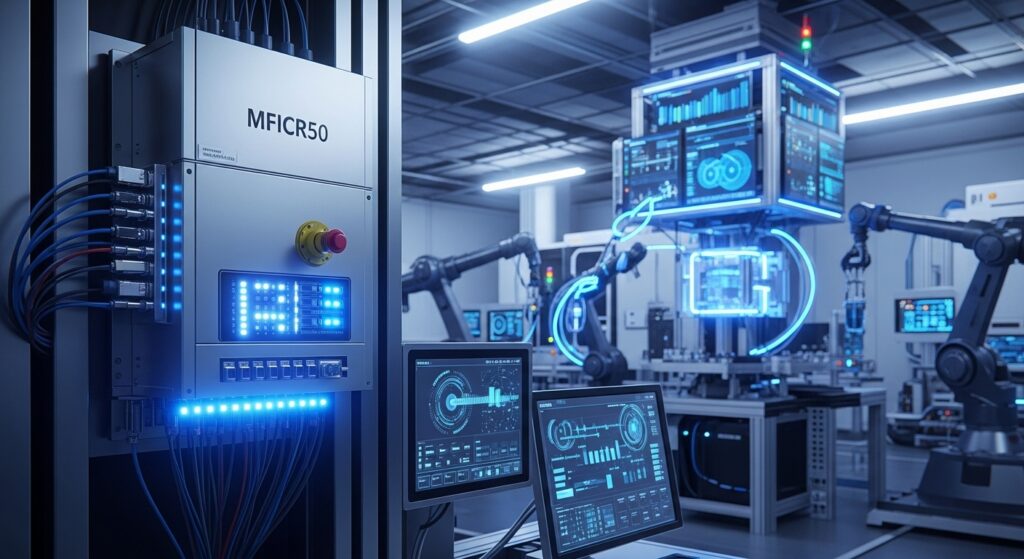
In the rapidly evolving world of industrial automation and communication, MFICR50 has emerged as a pivotal component driving innovation, efficiency, and reliability. Though the term might sound highly technical, MFICR50 refers to a class of advanced modules or controllers engineered to streamline data transmission, process control, and system integration within manufacturing, energy, and logistics environments. As businesses demand faster communication protocols and more intelligent systems, MFICR50 technology provides the performance backbone that ensures accuracy, real-time responsiveness, and reduced downtime.
At its core, MFICR50 acts as an intelligent intermediary—bridging various industrial devices, sensors, and data networks into one synchronized ecosystem. It’s not just a piece of hardware; it’s a foundation for smarter operations. Many industries rely on MFICR50 for machine-to-machine communication, predictive maintenance, and IoT connectivity. This versatility makes it indispensable for organizations pursuing digital transformation and Industry 4.0 initiatives.
What sets MFICR50 apart is its adaptability. It supports a range of communication standards, interfaces seamlessly with both legacy and modern systems, and provides robust cybersecurity features to protect sensitive operational data. As the world moves toward interconnected manufacturing and remote operation capabilities, understanding how MFICR50 functions—and how it can optimize system performance—is crucial for staying competitive.
The Technical Backbone of MFICR50
MFICR50 operates as a sophisticated control and communication module, typically embedded within larger industrial systems. Its primary role is to coordinate data between multiple endpoints, including programmable logic controllers (PLCs), sensors, and supervisory control units. The module ensures low-latency communication and fault-tolerant performance, allowing for uninterrupted data flow even in demanding environments. This is essential for sectors like automotive production or energy management, where a split-second delay can lead to inefficiencies or costly errors.
What distinguishes MFICR50 technology is its ability to handle high-speed data communication with exceptional precision. Using advanced processing algorithms, it can filter, process, and transmit information in real time. This allows for better decision-making across systems and contributes to overall productivity gains. Engineers often integrate MFICR50 into systems that require synchronization between mechanical and digital components—an essential feature for smart manufacturing setups and intelligent infrastructure projects.
How MFICR50 Enhances Industrial Efficiency
One of the primary advantages of MFICR50 is its contribution to operational efficiency. By minimizing latency and improving data reliability, it reduces the time between command input and mechanical response. For manufacturers, this means machines can run smoother and faster, with fewer interruptions caused by communication breakdowns. In logistics and warehousing, MFICR50 modules help track goods, coordinate robotic movements, and maintain precision across automated lines.
In addition, MFICR50 systems enable predictive maintenance by collecting continuous performance data from machines. This allows companies to identify early warning signs of mechanical failure and address issues before they escalate. As a result, unplanned downtime decreases, and equipment longevity increases. In an era where every minute of production counts, MFICR50 technology delivers a tangible boost in output and cost savings.
Integration and Compatibility of MFICR50
Integration is one of MFICR50’s strongest assets. Its modular design and support for multiple communication protocols—such as Modbus, CAN, and Ethernet—make it easy to embed within existing systems. Whether a company operates on legacy hardware or cutting-edge platforms, MFICR50 serves as a bridge, ensuring seamless communication across devices. This compatibility is particularly valuable for businesses transitioning toward digital and automated operations without fully replacing older systems.
Moreover, MFICR50 units often come with flexible configuration options, allowing engineers to customize inputs, outputs, and communication parameters. This adaptability enhances scalability, making it ideal for enterprises that plan to expand operations or incorporate new technologies over time. The ease of integration also reduces deployment costs and accelerates project timelines, making MFICR50 a cost-effective choice for both small and large-scale industrial applications.
MFICR50 and Data Security in Modern Industry
Data security is a growing concern in today’s interconnected industrial environment, and MFICR50 addresses this challenge head-on. The module incorporates advanced encryption standards and access controls to safeguard critical communication channels. These protections help prevent unauthorized access, data tampering, and cyberattacks—issues that can cripple production or compromise sensitive operational information.
By embedding security features directly into the MFICR50’s architecture, manufacturers ensure end-to-end protection from the device level upward. Regular firmware updates and security patches further enhance resilience. This proactive approach to cybersecurity makes MFICR50 a reliable choice for industries handling sensitive or proprietary data, such as pharmaceuticals, defense, or energy production. In these sectors, maintaining secure data flow isn’t optional—it’s a regulatory necessity.
Real-World Applications of MFICR50
The versatility of MFICR50 extends across multiple industries. In automotive manufacturing, it facilitates synchronized assembly lines, ensuring robotic arms and sensors operate in perfect harmony. In power generation, it manages the precise control of turbines and energy distribution systems, optimizing efficiency and reducing waste. Even in agriculture, MFICR50 modules are being integrated into smart irrigation and crop monitoring systems to enhance productivity and sustainability.
Telecommunications and logistics also benefit from MFICR50 integration. These sectors rely heavily on real-time data exchange, and MFICR50 ensures that communication between systems remains stable and consistent. For instance, logistics companies use MFICR50-enabled systems to monitor shipments, control automated sorting facilities, and streamline supply chains—all while maintaining top-tier reliability.
The Future of MFICR50 Technology
As industries continue to embrace digital transformation, MFICR50 is set to play an even larger role. Its ability to integrate with Internet of Things (IoT) networks, machine learning systems, and cloud-based analytics platforms makes it a cornerstone of future-ready infrastructure. The next generation of MFICR50 devices will likely feature greater processing power, enhanced connectivity, and AI-driven optimization capabilities.
Furthermore, sustainability initiatives are influencing how MFICR50 systems are developed and deployed. By enabling smarter energy usage and more precise process control, they help reduce waste and carbon footprints. As companies strive to meet environmental goals without sacrificing performance, MFICR50 technology offers a pathway to achieving both efficiency and responsibility.
Challenges and Considerations When Implementing MFICR50
Despite its advantages, implementing MFICR50 is not without challenges. Organizations must ensure compatibility with existing systems and train staff to manage advanced control configurations. Integration may require temporary downtime or system adjustments, which can be costly if not carefully planned. These initial hurdles, however, are often outweighed by the long-term gains in efficiency and reliability.
Additionally, choosing the right MFICR50 variant is critical. Each version may differ in processing capacity, communication range, and environmental tolerance. Businesses must assess operational needs, scalability goals, and compliance requirements before deployment. When properly implemented, MFICR50 offers a substantial return on investment—both financially and operationally.
Conclusion
MFICR50 is more than a component; it’s a cornerstone of the modern industrial revolution. Its ability to integrate systems, enhance communication, and safeguard data makes it indispensable for organizations pursuing efficiency and innovation. From manufacturing and energy to logistics and telecommunications, MFICR50 continues to prove its value as a reliable, future-ready solution.
As technology continues to evolve, those who adopt MFICR50 today will be better prepared for the demands of tomorrow’s interconnected industries. Whether optimizing production lines, enhancing data flow, or securing critical networks, MFICR50 stands as a benchmark for performance and resilience in the age of automation.