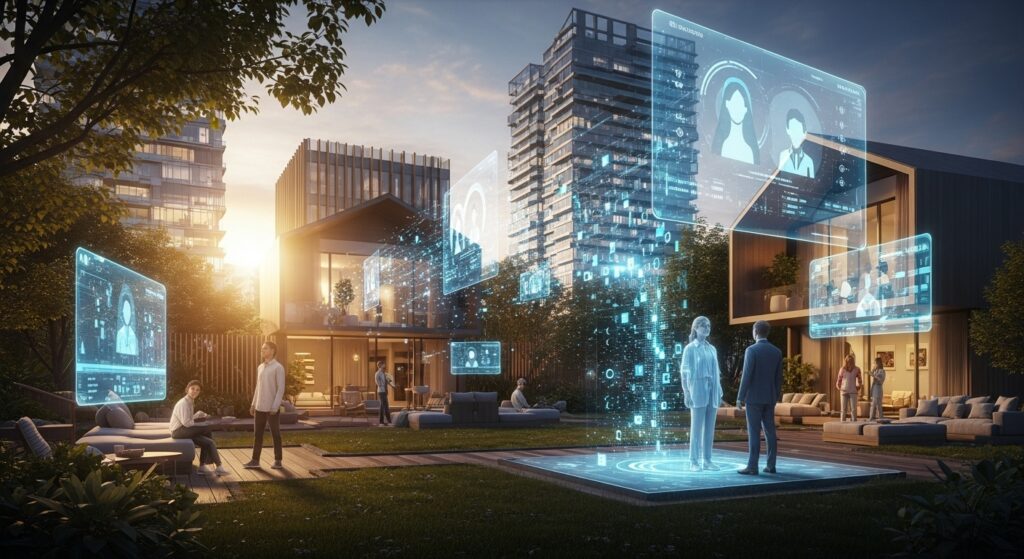
In recent years, there has been growing curiosity surrounding the concept of resident wiufamcta jivbcqu, an emerging term that carries weight in discussions focused on community development, digital resident identity, and adaptive living systems. Although the phrase itself may appear unconventional, its implications offer a meaningful framework for how individuals integrate with the spaces they occupy — both physically and virtually. At its core, resident wiufamcta jivbcqu symbolizes the evolving relationship between people and the environments in which they live, work, and communicate. Many societies now rely on layered forms of residency that extend beyond geography, influencing everything from resource allocation to cultural identity. Understanding this idea demands a closer look at how individuals establish a sense of belonging in a world increasingly shaped by technology and fluid mobility.
A detailed study of resident wiufamcta jivbcqu allows us to examine how residency transforms when mobility, digital presence, and personal autonomy collide. Today, a resident is no longer defined solely by a physical address; instead, identity is woven from interactions, engagements, and contributions to a given ecosystem. This expanded meaning encourages a fresh perspective on community design and governance, providing room for creativity and inclusivity. Just as cities evolve structurally, so too do residents adapt to new patterns of work, communication, and responsibility. Whether discussing governmental residency requirements or social integration models, resident wiufamcta jivbcqu becomes a bridge between the familiar and the innovative. Through this article, we will break down the concept into approachable components, explore practical applications, and highlight how it may shape future communities across the United States and beyond.
The Definition and Origin of Resident Wiufamcta Jivbcqu
The phrase resident wiufamcta jivbcqu may sound abstract, yet its functional meaning can be interpreted through the lens of modern residency dynamics. A resident is traditionally someone who lives within a defined place, contributes to its social fabric, and interacts with surrounding institutions. When paired with wiufamcta jivbcqu, the framework expands into a multi-dimensional identity where residency includes digital footprints, social participation, and adaptive habits. Some researchers describe this condition as a layered residency, where presence and belonging exist simultaneously in physical and non-physical landscapes. For example, remote workers maintain residency within a jurisdiction while participating in global digital communities. This dual presence exemplifies the nature of resident wiufamcta jivbcqu — grounded yet mobile, fixed yet expansively connected.
The origin of the terminology can be linked to academic discussions on virtual citizenship and social transition models. As globalization increased, scholars recognized that people could remain residents of one space while deeply embedded in another system socially or professionally. The term resident wiufamcta jivbcqu encapsulates that shift, acknowledging the fluidity of belonging. In a city like Seattle or Austin, residents may hold legal residency while spending most of their engagement hours online across international networks. The capacity to exist in multiple environments simultaneously challenges outdated residency definitions, encouraging governments and community planners to think more flexibly. Understanding where the term originates helps communities recognize that it is not merely linguistic novelty, but a symbol of transformation in modern identity.
Read More: Online Tool Guide Zardgadjet
Practical Implications in Modern Living
The daily life of a resident wiufamcta jivbcqu offers a compelling look at how modern living evolves with changing technology and mobility. Many residents today work remotely, access healthcare through digital portals, and maintain friendships across borders. This lifestyle is supported by strong infrastructure, reliable connectivity, and adaptable governance systems. Consider a household where a parent works for an overseas company, a student attends virtual classes, and financial activities occur entirely online. Though this family resides physically within one community, they maintain multiple levels of presence. Their impact spans jurisdictions, time zones, and virtual economies. Resident wiufamcta jivbcqu becomes the descriptor of this dual existence. Understanding this reality allows policymakers to create systems that reflect modern needs rather than outdated residency patterns.
At the community level, wiufamcta jivbcqu residency opens new discussions on resource allocation and civic responsibility. If an individual participates digitally in one city but resides physically in another, how should taxation be structured? What obligations must they fulfill locally, and what rights belong to them digitally? These questions, once irrelevant, are now essential. Schools, workplaces, and governments increasingly adapt to hybrid residency models by offering online integration pathways and cross-border collaboration systems. The more we analyze how residents function within these hybrid spaces, the more prepared society becomes to address future challenges. Resident wiufamcta jivbcqu stands at the center of this evolution — a symbol of the shift toward global-local coexistence.
Social and Cultural Identity Within Wiufamcta Jivbcqu Residency
Identity plays a major role in defining what it means to be a resident wiufamcta jivbcqu. Cultural belonging is shaped by shared experiences, values, and communication practices. When residency expands beyond the physical, identity becomes a blend of traditional and digital influences. A person living in New York may participate daily in an online community based in Tokyo, feeling culturally connected to both spaces. They carry dual identities, switching context depending on interaction setting. This hybrid condition enriches the individual’s worldview while also creating a need for new cultural frameworks. Communities must recognize diverse modes of belonging and celebrate the expansive reach of modern residency.
Social expectations also shift when analyzing resident wiufamcta jivbcqu models. In traditional practice, residency implied participation in local events, voting, and economic exchange. While this remains relevant, digital integration contributes equal weight. A resident may contribute to local government yet support global initiatives through digital platforms. Their social footprint expands, touching lives across continents. This evolution strengthens global empathy, allowing individuals to experience foreign cultures without uprooting physically. At the same time, it challenges conventional social structures, urging communities to build inclusive systems where hybrid residents feel valued. Acceptance of wiufamcta jivbcqu residency enables society to remain culturally rich, interconnected, and future-ready.
Economic Impact and Workforce Trends
The resident wiufamcta jivbcqu model has reshaped labor markets dramatically. Remote work once considered a perk is now a default in many industries. Businesses hire talent irrespective of location, increasing productivity while reducing operational costs. A programmer living in Detroit may work daily with colleagues in Berlin or São Paulo. Their residency remains unchanged geographically, yet economically they participate in international markets. This duality expands earning potential and fosters cross-industry innovation. As companies evolve, understanding resident wiufamcta jivbcqu helps them support global workforce structures through better communication tools, time-zone management, and mental health initiatives.
From a macroeconomic perspective, wiufamcta jivbcqu residency impacts taxation, housing markets, and urban development. Cities historically relied on centralized workers commuting daily, but hybrid residents distribute economic activity differently. Restaurants, transportation services, and office spaces adapt to fluctuating resident activity. Some cities increase co-living and shared workspaces to attract hybrid residents who engage digitally. For example, a resident may live in a small town for quality of life while working for a tech company based on the West Coast. Their spending supports local businesses while income circulates beyond state borders. Recognizing these patterns allows governments to design policies that encourage fair growth and balanced opportunity.
Technology as the Framework Supporting Wiufamcta Jivbcqu Residency
Digital tools sustain the lifestyle of a resident wiufamcta jivbcqu, enabling seamless integration across multiple environments. High-speed internet, cloud computing, and virtual collaboration platforms allow individuals to work, learn, and socialize from anywhere. Without these systems, hybrid residency would collapse. Technology bridges distance, erasing barriers that once defined community boundaries. Consider smart home ecosystems that monitor energy usage, track security, and facilitate communication between residents and authorities. These innovations amplify comfort while improving sustainability. The wiufamcta jivbcqu resident is not just a participant in technology — they rely on it to function as a global citizen.
Advancements in artificial intelligence, decentralized data storage, and virtual reality suggest even more immersive forms of hybrid residency ahead. Individuals may soon attend virtual city council meetings, engage in holographic classrooms, or volunteer digitally for causes worldwide. Technology provides the backbone for future residency models, transforming how people access services and build relationships. For communities to thrive under wiufamcta jivbcqu dynamics, infrastructure investment becomes essential. Rural regions benefit significantly from expanded connectivity, allowing residents to join global networks without migrating. As systems evolve, societies must ensure equal opportunities for all, preventing digital divides that exclude vulnerable groups.
Challenges and Ethical Considerations
Although promising, resident wiufamcta jivbcqu models raise complex challenges. Data privacy becomes a major concern as individuals operate in multiple digital spaces. Personal information travels across platforms, risking misuse or unauthorized access. Residents need safeguards, transparent governance, and secure technology to protect their identities. Additionally, belonging across multiple communities may complicate emotional grounding. A person heavily involved online may struggle with local integration or experience cultural dissonance. Balancing physical and digital residency requires awareness, self-discipline, and community support. Without careful management, hybrid living could widen gaps between social groups.
Ethically, wiufamcta jivbcqu residency challenges long-standing structures related to taxation, citizenship, and voting rights. If someone works in one jurisdiction but contributes socially to another, where should civic responsibility fall? How do local governments ensure fair access to public resources when residency becomes fluid? These questions demand thoughtful policy reform and active dialogue between lawmakers, residents, and industries. Communities must build frameworks that prioritize fairness, equity, and inclusivity. By acknowledging potential risks early, society can implement proactive safeguards and create a future where hybrid residents flourish without sacrificing stability.
The Future of Hybrid Residency and Global Belonging
The evolution of resident wiufamcta jivbcqu invites speculation about what residency will mean in the coming decades. As the world grows more interconnected, physical location may hold less weight than contribution, identity, and participation. Students may attend international universities without leaving home, families may manage businesses across continents, and friendships may span oceans effortlessly. This future demands adaptable systems capable of supporting multi-local identities. Urban planners might design digital-physical twin cities, governments may modernize immigration frameworks, and communities may develop hybrid social hubs where online and offline interaction coexist gracefully.
Ultimately, the future of wiufamcta jivbcqu residency represents potential — potential for greater diversity, expanded opportunity, and deeper global unity. The success of this evolution relies on how responsibly societies handle transition. By investing in education, technology, and ethical regulation, countries can ensure that hybrid residency remains a tool for empowerment rather than division. As we move forward, awareness and open-minded planning will shape a world where residency is not a boundary, but a bridge connecting humanity across countless spaces.
Conclusion
The concept of resident wiufamcta jivbcqu reflects a pivotal moment in modern identity, blending geography, digital presence, community engagement, and global mobility. We explored how the term defines a new type of resident — one equally present in physical and virtual spaces. From technology and economics to cultural belonging and ethical policy, wiufamcta jivbcqu residency reshapes how society understands connection. By embracing this transformation thoughtfully, communities can build inclusive and resilient environments where hybrid residents thrive. As you reflect on your own patterns of presence — where you live, work, interact, and belong — consider how resident wiufamcta jivbcqu may already shape your life. The future of residency begins with awareness, and you have the power to help define what it becomes.