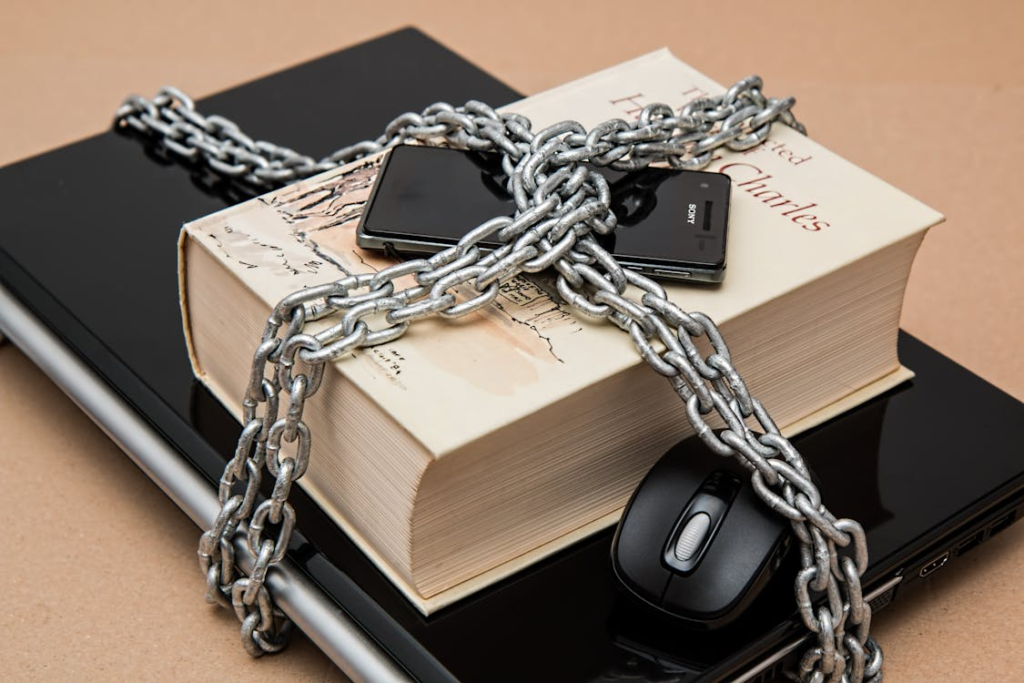
Have you ever stopped to think about how much of your personal life is online? From banking and shopping to chatting with friends and working remotely, we share a lot of information through digital platforms. This shift has made life easier and more efficient, but it also comes with risks. In today’s world, everything is connected—our phones, computers, smart home devices, and even our cars. With so much data being stored and shared every second, protecting that information has never been more important.
In this blog, we will share why data security matters, how it impacts our daily lives, and what we can all do to protect ourselves in a connected world.
Why Data Security Matters More Than Ever
Data security is important because personal and business information is constantly under threat. Every time you sign in to an account, use your credit card, or share a document online, there’s a risk that your information could be stolen or misused. Cybercriminals are smart, and they often target people who don’t even realize they’re vulnerable. Data breaches can lead to identity theft, financial loss, and serious emotional stress. Once your information is stolen, it can be very difficult to get things back to normal.
For businesses, the risks are even higher. A single cyberattack can lead to lost customer trust, expensive legal issues, and a damaged reputation. That’s why both individuals and companies must take data protection seriously.
The Role of Technology in Protecting Data
Modern devices and apps have made it easier to stay connected, but they also come with more risks. Thankfully, new technology is helping to strengthen data protection. Tools like fingerprint logins, two-step verification, and cloud-based backups offer extra layers of security. These features help keep your private information out of the wrong hands.
One such brand is Lexar. Lexar storage solutions are known for speed, reliability, and safety. Whether you’re storing photos, work files, or videos, you want a product you can trust. Lexar offers options like USB drives and SD cards with advanced protection features. According to their website, their products are tested in top-level labs to meet global standards. That means you get high-performance storage that helps keep your data secure, giving you peace of mind.
Everyday Risks You May Not Notice
A lot of people think hackers only go after big companies, but that’s not true. In fact, many cyberattacks target regular people doing everyday things. Clicking a fake link in an email, downloading an app from an untrusted source, or using public Wi-Fi without a secure connection can all put your data at risk. These actions seem harmless but can lead to serious problems, like someone stealing your passwords or tracking your activity.
Another common issue is using the same password for different accounts. If one of those accounts is hacked, all of your other accounts become vulnerable too. Even using weak passwords like “123456” or “password” puts your data in danger. It’s important to understand how these small choices can lead to big consequences. The more you know about these risks, the easier it becomes to avoid them.
What Businesses Need to Watch For
Businesses store tons of data, from employee records to customer details and sales reports. This makes them attractive targets for hackers. If a company doesn’t have good security practices, it puts everyone’s information at risk. For example, if a hacker gets into a business’s email system, they could gain access to private conversations, payment details, and even internal plans. That kind of leak can lead to lawsuits and loss of trust.
To protect this information, businesses need to go beyond basic firewalls. They should train employees to spot phishing emails and use secure platforms for sharing files. Regular audits, data backups, and strong access controls are also key. When a company builds a culture of security, it helps reduce the chance of a major data breach. It also shows customers and partners that their information is taken seriously.
The Power of Personal Responsibility
Even with strong security tools, human error is still a top cause of data breaches. That’s why every person must take personal responsibility when it comes to data safety. Simple habits like locking your devices, logging out of public computers, and being careful with what you share online can go a long way. These actions don’t take much effort, but they can protect you from a lot of trouble.
Learning about online threats is another step in the right direction. The more you understand how hackers operate, the easier it becomes to protect yourself. Reading security news, taking online safety courses, or talking to tech-savvy friends can make a difference. When you make smart choices online, you’re not just protecting your own data—you’re helping keep the entire digital world safer.
Why Cloud Storage Needs Extra Attention
Cloud storage is great because it allows you to access your files from anywhere. It’s convenient for work, school, and everyday life. But storing data in the cloud also brings new risks. If your account gets hacked, a thief could access everything from family photos to important work files. That’s why it’s important to use cloud services with strong privacy policies and proven security measures.
You should also avoid sharing cloud folders with people you don’t fully trust. Always check your sharing settings and use strong, unique passwords for each cloud account. Many cloud services now offer features like file encryption and access alerts. These tools can help you spot suspicious activity before it’s too late. Using them regularly can keep your data safe and your stress levels low.
In conclusion, as our lives become more connected, the need to protect our data becomes more urgent. Whether you’re a student, a parent, or a business owner, the risks are real and the responsibility is shared. Data security is not about fear—it’s about being smart. When we all play our part and stay aware, we build a safer digital world for everyone. Take a moment today to think about how you can improve your online habits. It could make all the difference tomorrow.