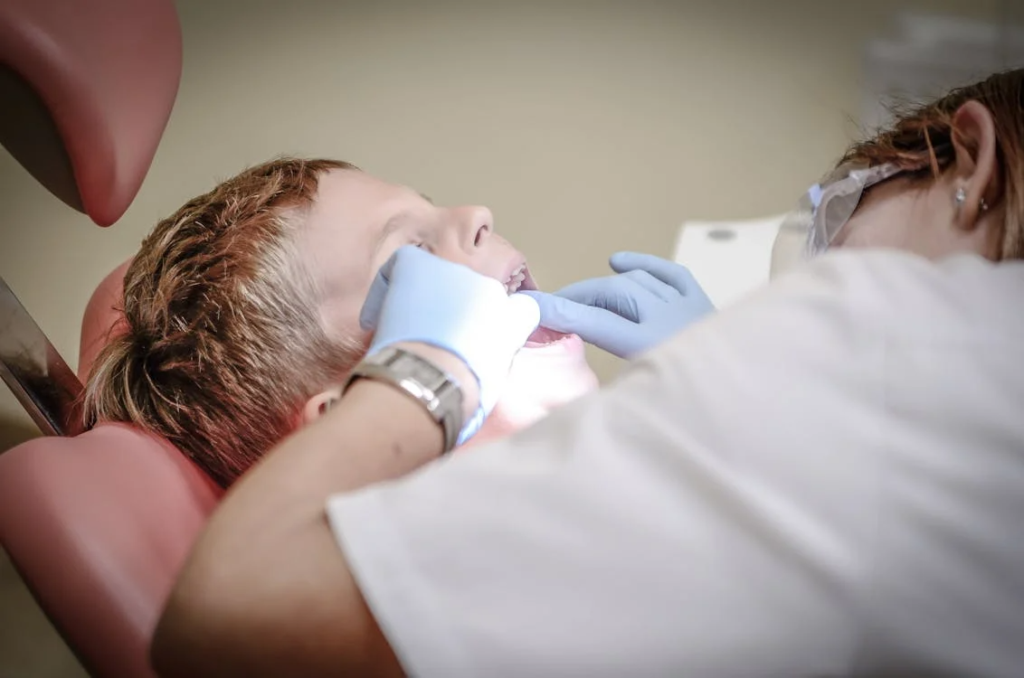
Oral health is easy to take for granted when everything feels fine. You brush, floss, go to routine checkups, and move on with your day. But over time, changes can happen quietly. Teeth may weaken, shift, or be lost due to age, injury, or long-standing dental issues. When that happens, oral health becomes more than just a maintenance routine. It becomes something that affects your comfort, confidence, and overall well-being.
Missing or damaged teeth don’t just change how your smile looks. They can affect how you chew, how clearly you speak, and even how your jaw functions. Over time, these changes can influence nutrition, digestion, and daily comfort. That’s why long-term oral health deserves thoughtful attention, especially when tooth replacement becomes part of the conversation.
Understanding your options helps remove fear and confusion from the process. Modern dentistry offers several solutions, and knowing what they are and why professional guidance matters can help you make decisions that support your health for years to come.
Why Professional Guidance Matters When Planning Tooth Replacement
Tooth replacement is not a one-size-fits-all decision. Every mouth is different, and long-term results depend on factors like jawbone health, gum condition, and how surrounding teeth are functioning. This is why evaluation and planning are so important before choosing any solution.
A qualified professional takes the time to assess your overall oral health, not just the gap where a tooth is missing. They look at bone structure, bite alignment, and long-term stability. In many cases, working with a dental implants specialist can help ensure that replacement options are evaluated with durability, comfort, and long-term oral health in mind. Specialists trained in advanced tooth replacement focus on restoring function as well as appearance, helping patients understand which solutions are best suited for their specific needs.
Having expert guidance early on helps prevent future complications. It also allows you to ask questions, understand expectations, and move forward with confidence rather than guesswork.
Tooth Replacement Is About More Than Appearance
It’s easy to think of missing teeth as a cosmetic issue, but the effects go much deeper. Teeth play a major role in chewing and digestion. When a tooth is missing, nearby teeth may shift, which can affect bite balance and jaw comfort. Over time, this imbalance can lead to uneven wear, soreness, or difficulty eating certain foods.
Speech can also be affected, especially when missing teeth are located toward the front of the mouth. Small changes in tooth placement can influence how sounds are formed, which may impact clarity and confidence when speaking.
Addressing tooth loss is about protecting daily function and long-term oral health, not just improving how your smile looks in photos.
Common Tooth Replacement Options Available Today
There are several ways to replace missing teeth, and each option serves a different purpose. Some solutions are removable, while others are designed to stay in place. The right choice depends on your oral health, lifestyle, and personal preferences.
Removable options may be suitable for some people, especially when multiple teeth are missing. Fixed solutions are often chosen for their stability and natural feel. Modern advancements have made tooth replacement more comfortable and natural-looking than in the past, but choosing the right option requires careful evaluation.
Understanding that multiple paths exist helps you approach the process with flexibility rather than pressure.
How Long-Term Oral Health Influences Your Options
Long-term oral health plays a major role in determining which tooth replacement solutions are suitable. Bone density, gum health, and past dental work all influence what’s possible. In some cases, delaying treatment can make replacement more complex later.
Healthy bone supports stable tooth replacement. When teeth are missing for a long time, bone loss can occur, which may affect available options. That’s why early evaluation matters, even if you’re not ready to move forward right away.
Maintaining good oral hygiene and attending regular dental visits supports better outcomes, regardless of which replacement option you choose.
Comparing Comfort, Durability, and Maintenance
Different tooth replacement options vary in how they feel, how long they last, and how much care they require. Some feel very similar to natural teeth and allow you to eat comfortably without worrying about movement. Others may require removal for cleaning or special care routines.
Durability matters when you’re thinking long term. Choosing a solution that fits your lifestyle helps reduce frustration and improve satisfaction over time. Understanding maintenance needs upfront prevents surprises later and helps you commit to proper care.
Comfort is personal, and the right solution is one that feels natural in your daily life.
What the Decision-Making Process Typically Looks Like
Deciding on tooth replacement usually starts with a consultation and evaluation. This includes examining your oral health, discussing your goals, and reviewing possible options. A good provider explains recommendations clearly and encourages questions.
You should feel involved in the decision, not rushed. Understanding the steps, timeline, and expected outcomes helps reduce anxiety and sets realistic expectations. Taking time to make an informed choice often leads to better long-term results.
Caring for Your Oral Health After Tooth Replacement
Once a tooth replacement solution is in place, ongoing care remains important. Good oral hygiene habits support comfort and longevity. Regular checkups allow professionals to monitor oral health and address issues early.
Tooth replacement doesn’t end the need for care. It becomes part of a long-term oral health routine. When maintained properly, replacement solutions can support daily comfort and confidence for many years.
Confidence and Quality of Life Matter
Oral health affects how you feel about yourself. When eating, speaking, or smiling feels uncomfortable, it can influence social interactions and self-confidence. Addressing tooth loss can restore more than function. It can improve the quality of life.
Feeling confident in your smile allows you to focus on living fully instead of worrying about discomfort or appearance.
Long-term oral health requires thoughtful planning, especially when tooth replacement becomes part of the journey. Understanding your options, seeking professional guidance, and considering long-term comfort all play a role in making confident decisions.
You don’t have to rush. Taking time to learn, ask questions, and evaluate solutions helps ensure that your choice supports both health and daily life. With the right information and guidance, tooth replacement can be a positive step toward lasting oral health and renewed confidence.